La collaborazione scientifica dell’esperimento MEG II, alla quale partecipa anche l’INFN, presenta oggi, 23 aprile 2025, un nuovo risultato, nel corso di un seminario al Paul Scherrer Institut (PSI) in Svizzera.
“Si tratta di un’importante passo avanti nella ricerca del decadimento di un muone positivo in un positrone e un fotone che, se osservato, rappresenterebbe una chiara manifestazione di fisica oltre il Modello Standard, aprendo la strada a un orizzonte completamente nuovo”, spiega Alessandro Baldini ricercatore dell’INFN di Pisa, e co-coordinatore della collaborazione internazionale MEG II.
La nuova analisi dei dati di MEG II non ha evidenziato alcun eccesso significativo di eventi rispetto al fondo atteso, e quindi è stato stabilito un nuovo limite superiore alla probabilità di questo processo, che è oggi il limite più stringente al mondo. I nuovi risultati, basati sui dati raccolti nel 2021 e nel 2022, sono descritti in un articolo pubblicato su arXiv [link] e sottomesso alla rivista Physical Review Letters.
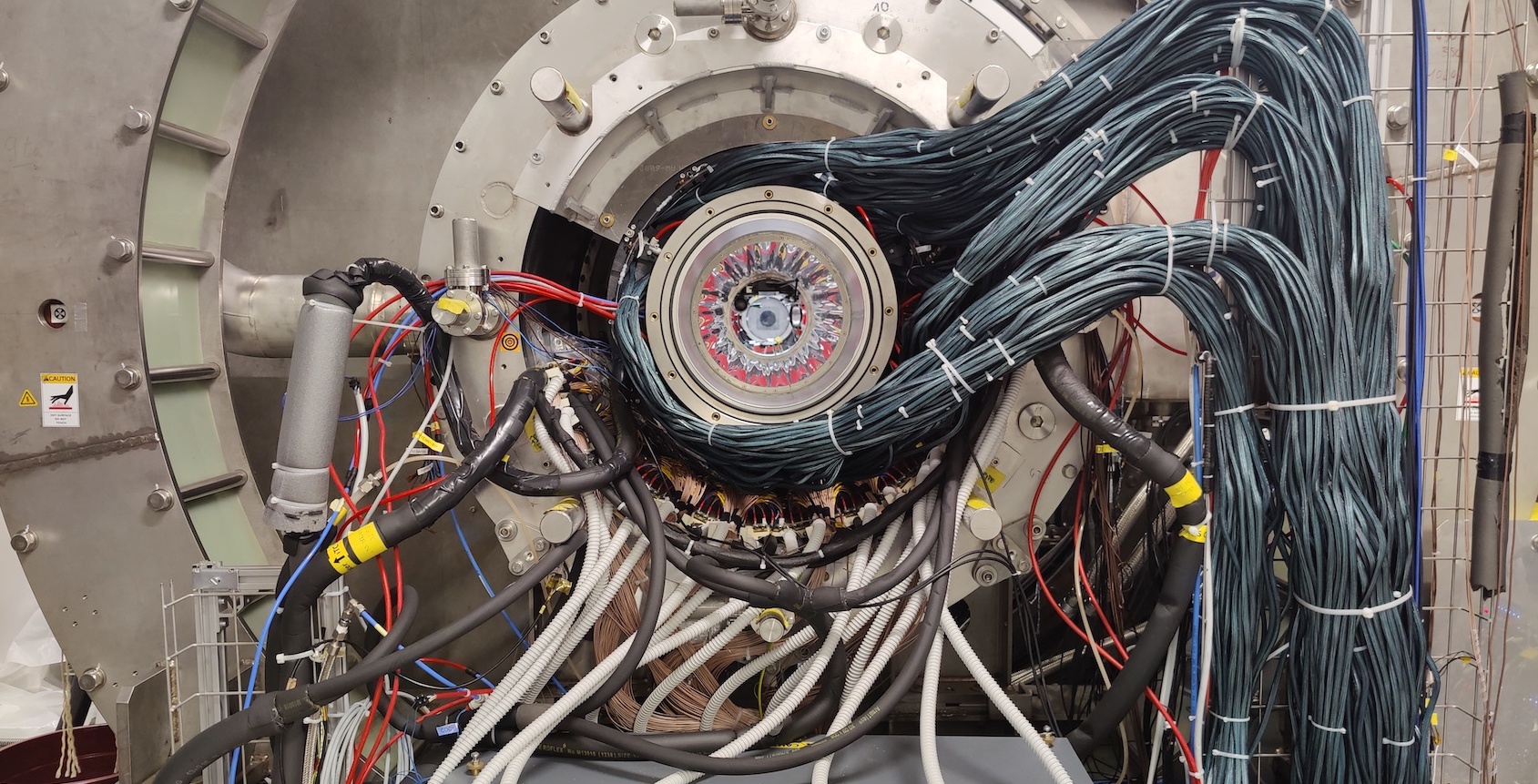
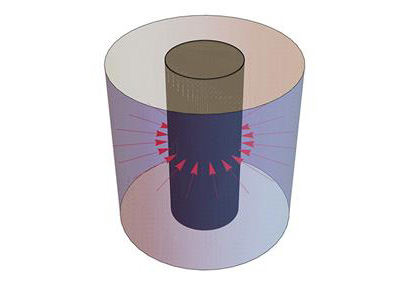
All’interno dell’esperimento MEG II, i muoni provenienti dal fascio continuo più intenso al mondo vengono fermati su un sottile bersaglio, posto al centro di un magnete superconduttore. I prodotti del decadimento vengono tracciati da rivelatori di ultima generazione: una camera a deriva gassosa ultraleggera e una serie di mattonelle di plastica scintillante permettono di ricostruire la traiettoria e il tempo di volo del positrone, mentre i fotoni sono rivelati mediante un calorimetro a xenon liquido da 900 litri.
Il nuovo risultato di MEG II aggiorna e migliora il precedente limite, ottenuto combinando i dati del precedente esperimento MEG con quelli del 2021 di MEG II e presentato nel 2023 [link]. Questo è dovuto alla maggiore dimensione del campione dati raccolto nel 2022 che risulta essere quattro volte più grande di quello relativo al solo 2021, rappresentando la prima misura basata interamente su dati raccolti da MEG II.
MEG II ha proseguito la presa dati anche negli anni 2023 e 2024 e continuerà anche nel biennio 2025–2026. Ci aspettiamo che il campione finale di MEG II sarà circa un fattore quattro maggiore rispetto a quello oggi presentato. L’obiettivo è quello di migliorare la sensibilità al decadimento di un ordine di grandezza rispetto al predecessore MEG.
La collaborazione MEG II coinvolge oltre 70 fisici provenienti da istituzioni di ricerca di Italia, Giappone, Regno Unito, Russia, Svizzera e Stati Uniti, tra cui l’INFN. I ricercatori e le ricercatrici italiani hanno ricoperto un ruolo di primo piano, guidando la costruzione e la gestione dei rivelatori di positroni.